This page is an independent analysis based on publicly available information, including interviews, podcasts, and published materials. We are not affiliated with, endorsed by, or connected to any individuals, brands, or organizations mentioned. All content is provided for educational and informational purposes only.

Some links on this page may be affiliate links. If you choose to make a purchase, we may earn a small commission at no additional cost to you.
Back

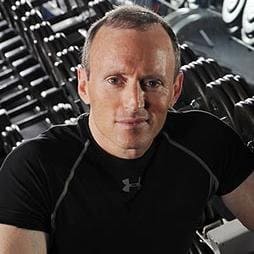
Brad Schoenfeld

Researcher known for influential work on muscle hypertrophy, training volume, and evidence-based programming.

Last updated: Feb. 2026

💪 Pre-Workout

Caffeine

Dose: 100–200mg

Common performance aid; dose depends on tolerance and timing.

Stimulant

📋 Anytime

🧬
Creatine Monohydrate

Dose: 3–5g

Strong evidence base in hypertrophy/strength contexts; commonly recommended in evidence-based training circles.

Amino Acid
🥛
Protein Powder (Whey Isolate)

Dose: 20–40g

Practical for meeting protein targets when whole food intake falls short.

Protein

About Brad Schoenfeld

Brad Schoenfeld stands out in the crowded field of fitness influencers for his uniquely rigorous approach grounded in scientific research. Unlike many popular figures who lean heavily on anecdote and charisma, Schoenfeld has built his reputation through a consistent body of work that explores the mechanisms of muscle growth and effective training programming.

His influence spans both academic circles and the broader fitness community, bridging the often wide gap between research findings and practical application.

Known primarily for his research on muscle hypertrophy, training volume, and evidence-based programming, Schoenfeld has authored numerous studies and books that seek to clarify what truly drives muscular development. This focus has earned him respect among trainers, strength coaches, and serious lifters who want to move beyond trends and gimmicks.

His work emphasizes nuance—acknowledging that different training variables interact in complex ways rather than offering one-size-fits-all solutions.

Schoenfeld’s presence extends beyond the laboratory and classroom. He is active in translating his research for general audiences through social media, podcasts, and speaking engagements.

His approach is measured but accessible, aiming to educate rather than simply entertain. This balance has made him a trusted voice for those seeking evidence-based guidance in a space often muddled by misinformation.

What Beginners Should Copy First

For newcomers to resistance training, Schoenfeld advocates starting with the basics of progressive overload and consistency. He emphasizes that beginners don’t need overly complicated routines; instead, they should focus on:

  • Mastering fundamental compound movements, such as squats, deadlifts, and presses.
  • Gradually increasing training volume and intensity over time.
  • Prioritizing proper technique to minimize injury risk.

He discourages jumping into advanced training methods or chasing minimal marginal gains early on. Beginners benefit most from establishing a solid foundation of movement competency and adapting to increased workloads.

In addition to exercise selection, Schoenfeld highlights the importance of training frequency. Beginners do well to train muscle groups two to three times per week rather than once weekly, as this frequency can better stimulate muscle growth and skill acquisition in lifting.

Nutrition, Diet, and Supplement Position

Schoenfeld approaches nutrition with the same evidence-based rigor he applies to training. He regards calories and macronutrients as the critical variables influencing body composition but recognizes that nutrient timing and meal frequency are less important than overall diet quality and adherence.

He generally recommends a diet that supports muscle growth and recovery with adequate protein intake, often citing research that suggests around 1.6 to 2.2 grams of protein per kilogram of body weight daily for most individuals engaged in resistance training.

When it comes to supplementation, Schoenfeld is measured and pragmatic. He acknowledges that while certain supplements like creatine monohydrate have substantial evidence backing their effectiveness, many others lack rigorous support or yield only modest benefits.

His guidance usually encourages focusing on whole foods first before considering supplementation.

Key nutrition takeaways from Schoenfeld’s perspective include:

  • Prioritize a sufficient protein intake distributed evenly throughout the day.
  • Maintain an energy balance aligned with training goals (surplus for growth, deficit for fat loss).
  • Use supplements judiciously, favoring those with solid scientific backing.

Practical Takeaways You Can Apply This Week

Schoenfeld’s work translates into practical actions that lifters of all levels can implement immediately:

  • Track training volume (sets x reps x load) as a key variable to ensure progressive overload.
  • Incorporate multi-joint movements to maximize efficiency and muscle recruitment.
  • Train muscle groups multiple times per week rather than lumping all sets into a single session.
  • Prioritize recovery by managing training intensity and allowing adequate rest days.
  • Focus on consuming high-quality protein sources across meals.

These straightforward principles can help lifters avoid common pitfalls like stagnating due to insufficient training stress or neglecting recovery.

Their Influence on Fitness Culture

Brad Schoenfeld has played a notable role in shifting the fitness community toward a more scientific and methodical approach. His research has challenged many traditional dogmas, such as the idea that training to failure is necessary for growth or that one massive weekly session per muscle group is optimal.

His work has encouraged trainers and enthusiasts to think critically about program design, emphasizing that volume, intensity, and frequency must be balanced according to individual needs and goals. This nuanced understanding has filtered into mainstream fitness discussions, nudging the culture away from extreme or “bro-science” driven approaches.

Schoenfeld’s influence is also seen in the growing acceptance of evidence-based practice among personal trainers and strength coaches, who increasingly seek out continuing education grounded in scientific findings rather than purely experiential knowledge.

The Business Layer Behind the Brand

Beyond his scientific and educational contributions, Schoenfeld has cultivated a recognizable brand that combines credibility with accessibility. He has authored several books aimed at both professionals and the general public, further establishing his authority.

His presence on social media platforms and podcasts helps him reach a broad audience, while collaborations with supplement companies and fitness organizations expand his business footprint. Unlike influencers who prioritize entertainment, Schoenfeld’s brand leans into education and trust-building.

Key aspects of his business approach include:

  • Publishing evidence-based books and articles.
  • Offering certifications and workshops for fitness professionals.
  • Engaging audiences through podcasts and social media with educational content.

This multifaceted strategy has helped solidify his standing as a go-to expert in the muscle hypertrophy niche.

Credibility Signals and Limitations

Schoenfeld’s credibility stems largely from his academic background and peer-reviewed research contributions. His studies often appear in reputable journals, and he holds academic appointments that reinforce his expertise.

However, like all researchers, Schoenfeld’s work is subject to the inherent limitations of exercise science, including variability in individual responses and challenges in controlling all training variables in real-world settings. His recommendations strive to reflect aggregated evidence but cannot guarantee identical results for every individual.

Moreover, while his focus on hypertrophy is comprehensive, it does not encompass all aspects of fitness such as cardiovascular health or flexibility. Users should view his guidance as one pillar within a broader health and fitness context.

The Core Training Philosophy

At the heart of Schoenfeld’s philosophy lies a commitment to evidence-based muscle hypertrophy training, emphasizing:

  • Progressive overload as the primary driver of muscle growth.
  • Training volume as a critical variable, with moderate to high volumes yielding better hypertrophy.
  • The importance of mechanical tension, metabolic stress, and muscle damage as complementary pathways to hypertrophy.
  • Individualized programming that accounts for recovery capacity, training history, and goals.

He also stresses that consistency and adherence often matter more than chasing the latest training trend. His balanced, science-informed approach encourages lifters to be patient and systematic.

Closing Perspective

Brad Schoenfeld represents a crucial voice in fitness—a researcher who has successfully translated complex scientific data into actionable guidance for both professionals and everyday lifters. His work underscores the importance of training volume, frequency, and evidence-based nutrition for muscle growth, challenging simplistic or dogmatic views.

For those serious about developing strength and muscle efficiently, his methodology offers a reliable framework grounded in research rather than hype. While no approach is perfect or universally applicable, Schoenfeld’s contribution helps elevate fitness culture toward informed, nuanced practices with lasting impact.

⚠️ Based on publicly available research publications and interviews. This information is for educational purposes only and should not be considered medical advice.