
The information on Supplement Engine is for general educational purposes only and is not medical advice. It is not intended to diagnose, treat, cure, or prevent any disease, and should not replace consultation with a qualified healthcare professional. Availability and legal status of specific products vary by country — always check local regulations before purchasing. Supplement Engine is not affiliated with, endorsed by, or representative of the individuals whose public protocols are discussed on this site; all information is drawn from public statements and is provided for informational purposes only.
Some links on this page may be affiliate links. If you choose to make a purchase, we may earn a small commission at no additional cost to you.
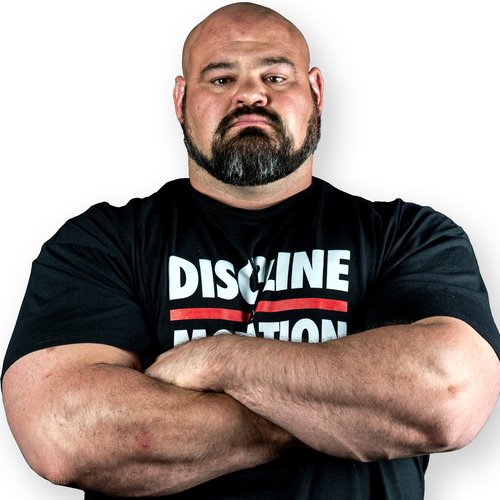
Brian Shaw
Four-time World’s Strongest Man sharing detailed strength training, diet, and supplement practices.
Curated from public research summaries by a non-clinician. Not medical advice.
🌙 Sleep
📋 Daily Nutrition
Source detail: Protein-target driven
Protein intake support is critical for strongman recovery.
📋 During Workout
Source detail: 1 serving
Hydration/electrolytes support during long training sessions.
📋 Anytime
About Brian Shaw
Brian Shaw stands as one of the most recognizable figures in the world of strength sports, having made a lasting mark through his extraordinary achievements in professional strongman competitions. Born in 1982, Shaw emerged from a background of athletic dedication to become a four-time winner of the World's Strongest Man competition, a rare feat shared by only a handful of athletes.
His competitive record extends beyond a single event: he has also clinched the Arnold Strongman Classic three times and claimed multiple titles at other prestigious events like the Shaw Classic and the Strongman Super Series.
His influence goes beyond competition results. Shaw has built a substantial platform sharing detailed insights into strength training, nutrition, and supplementation.
These insights come from years of experience at the sport’s pinnacle, offering an inside look not just at how to get stronger but how to sustain and optimize performance at an elite level. This profile reflects on Shaw's contributions to strength training education, drawing from his public interviews and video content to analyze what his approach offers serious lifters and fitness enthusiasts.
What They Get Right
Brian Shaw's approach is grounded in the realities of elite strongman competition, which demands not only brute strength but also resilience, mobility, and mental toughness. His training philosophy emphasizes progressive overload combined with specificity training—practicing event-like lifts such as the Atlas Stones, log press, and deadlift variations.
This focus on functional strength, tailored to the demands of strongman events, is a core strength of his guidance.
Another area where Shaw’s advice stands out is his candid discussion of recovery. He underscores the importance of rest, quality sleep, and active recovery to maintain longevity in a grueling sport.
This holistic viewpoint aligns with contemporary sports science and offers a balanced perspective often missing in more aggressive training regimens.
Shaw is also transparent about the role of supplementation, describing it as a complementary tool rather than a magic solution. His openness about using tried-and-tested products for joint health, energy, and recovery reflects a pragmatic, evidence-informed approach.
Who Their Advice Fits Best
While Shaw’s advice is accessible and often motivational, it’s primarily tailored to advanced lifters and athletes who seek to develop significant strength and size. His training volumes, exercise selection, and dietary needs are designed for individuals accustomed to intense physical effort and who require substantial caloric intake to fuel recovery and growth.
Beginners or casual gym-goers may find his regimen overwhelming or impractical. The sheer volume of work, along with the necessity for specialized equipment and ample recovery time, make it less applicable for those new to lifting or training for general fitness.
However, strength athletes—powerlifters, strongman competitors, and even some bodybuilders—can gain valuable insight from Shaw’s detailed breakdowns of event preparation, periodization, and mental strategies for competition.
How Their Ideas Have Evolved
Over the years, Shaw’s public commentary reveals an evolution from an almost singular focus on maximal strength and event practice to a more integrated appreciation of overall athleticism and health. Early in his career, the priority was maximal lifts and event-specific power, often pushing through pain or fatigue to break records.
More recently, he has emphasized injury prevention, mobility work, and recovery techniques. This shift reflects a broader trend in strength sports, where longevity and sustainable health are increasingly prioritized alongside peak performance.
In addition, Shaw has become more vocal about the mental aspects of competition, including managing stress and finding balance outside of training—which suggests a maturation in how he views the athlete’s life beyond physical achievements.
Nutrition, Diet, and Supplement Position
Shaw’s diet is reflective of the massive energy demands imposed by strongman training and competition. He consumes large quantities of nutrient-dense foods, focusing on proteins, carbohydrates, and healthy fats to sustain muscle growth and replenish glycogen stores.
His eating patterns include multiple meals throughout the day, ensuring a steady supply of calories and nutrients.
Supplementation is positioned as an adjunct to a solid nutritional foundation. Shaw commonly discusses the use of protein powders, joint support supplements like glucosamine, and performance aids such as creatine. He stresses that supplements alone will not produce results without consistent training and proper diet.
Hydration and micronutrient intake also receive attention, recognizing their roles in recovery and sustained performance. His openness about the trial-and-error process in dialing in his nutrition reflects a realistic and educational approach.
What Advanced Lifters Can Still Learn
Advanced lifters can derive benefit from Shaw’s emphasis on event specificity and dynamic strength. His programming often blends maximal lifts with explosive, functional movements that challenge multiple muscle groups and energy systems simultaneously.
This approach can inspire lifters to diversify their training beyond standard gym lifts.
Shaw’s detailed breakdown of warm-up routines, mobility drills, and accessory work highlights the importance of preparing the body comprehensively, which is crucial at higher levels of intensity. Advanced lifters can also gain perspective on mental preparation and pacing during competition, areas sometimes overlooked outside of combat or endurance sports.
Finally, his transparent discussion of setbacks, injuries, and adaptations offers valuable lessons in resilience and the importance of listening to one’s body.
Practical Takeaways You Can Apply This Week
- Incorporate event-specific or functional lifts into your routine, such as farmer’s carries or overhead presses, to build practical strength.
- Prioritize recovery by improving sleep quality and including active recovery days in your schedule.
- Experiment with meal timing and frequency to maintain energy levels throughout intense training days.
- Add mobility work and dynamic warm-ups before heavy lifting sessions to reduce injury risk.
- Use supplementation strategically and based on your individual needs, rather than as a catch-all solution.
These small adjustments reflect Shaw’s balanced and sustainable approach to training and can benefit a wide range of lifters.
Where People Disagree With Them
Some critics argue that Shaw’s approach, while effective for elite strongman competition, is impractical for the average gym-goer due to the volume and intensity of his training. The caloric intake he advocates can also be difficult to replicate outside of professional sport contexts.
Others take issue with his reliance on traditional strongman events as the primary measure of strength, suggesting this narrows the scope of what strength training can achieve in terms of functional fitness or longevity. There is also debate about the extent to which supplementation is necessary or beneficial, with some experts cautioning against overreliance.
Finally, his method may not address the needs of individuals with specific health conditions or mobility limitations, making it less universally adaptable.
Common Misreadings of Their Message
A frequent misunderstanding is viewing Shaw’s success as proof that extreme training volumes and massive caloric consumption are necessary for strength gains. This ignores the fact that his methods are tailored to a very specific, professional context.
Another misreading is the assumption that lifting heavy weights alone guarantees strength and health. Shaw’s emphasis on recovery, mobility, and nutrition can be overlooked when people focus solely on the lifts.
Some followers may also underestimate the mental and strategic preparation Shaw highlights, focusing only on physical outputs rather than the broader aspects of competition readiness.
Where It Lands
Brian Shaw’s legacy in strength sports is significant, blending competitive excellence with educational outreach. His detailed, experience-based guidance offers a comprehensive look at what it takes to succeed at the highest levels of strongman competition.
While his approach is best suited to advanced athletes with specific goals, his emphasis on recovery, nutrition, and functional strength provides useful lessons across the fitness spectrum. Shaw’s evolution toward a more holistic view of training and health reflects a promising direction for strength sports education.
Ultimately, his message balances intensity with sustainability, encouraging not just raw power but longevity and resilience—qualities that resonate well beyond the strongman platform.
Supplements in this stack
- Collagen PeptidesHydrolyzed collagen supporting skin, joint, and connective tissue health.
- Electrolyte ComplexSodium, potassium, magnesium blend for hydration and performance.
- Creatine MonohydrateOne of the most researched supplements for strength and cognitive benefits.
- Magnesium GlycinateHighly bioavailable form of magnesium supporting relaxation and sleep.
⚠️ Based on public interviews and video content. This information is for educational purposes only and should not be considered medical advice.