
The information on Supplement Engine is for general educational purposes only and is not medical advice. It is not intended to diagnose, treat, cure, or prevent any disease, and should not replace consultation with a qualified healthcare professional. Availability and legal status of specific products vary by country — always check local regulations before purchasing. Supplement Engine is not affiliated with, endorsed by, or representative of the individuals whose public protocols are discussed on this site; all information is drawn from public statements and is provided for informational purposes only.
Some links on this page may be affiliate links. If you choose to make a purchase, we may earn a small commission at no additional cost to you.
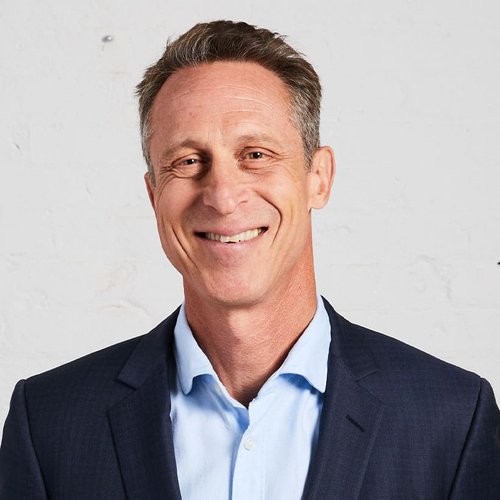
Mark Hyman
Physician known for functional medicine approaches and nutrition-forward health guidance.
Curated from public research summaries by a non-clinician. Not medical advice.
Commercial “Personal Stack” store collection (affiliation) plus foundational-guide recommendations. Not a clinical protocol diary.
Read the sourcing methodology☀️ Morning
Product / affiliation record · Not a personal-use claim
Last checked: 2026-09-19 · Claim verified: 2026-09-19
Context
drhyman.com “Mark’s Personal Stack” commercial collection lists Vitamin D Supreme among products branded as Mark’s regimen.
Listed on drhyman.com Mark’s Personal Stack collection.
Product / affiliation record · Not a personal-use claim
Last checked: 2026-09-19 · Claim verified: 2026-09-19
Context
Same commercial “Personal Stack” collection lists an omega-3 product.
Listed on the same commercial Personal Stack collection.
🌅 Evening
Recommendation record · Not a personal-use claim
Last checked: 2026-09-19 · Claim verified: 2026-09-19
Context
Foundational-supplements guide recommends magnesium glycinate as a starting foundational supplement for many people — educational recommendation.
Foundational-supplements guide recommendation (glycinate discussed).
About Mark Hyman
Mark Hyman stands out in the health and fitness world as a physician who blends traditional medical training with a functional medicine perspective. His work focuses heavily on nutrition and its role in preventing chronic disease and promoting longevity.
Over the years, he has built a substantial platform through books, podcasts, and clinical practice, making complex health topics accessible to a broad audience.
Rather than focusing narrowly on exercise or weight loss, Hyman’s approach centers on how food, lifestyle, and environmental factors interact to influence overall wellness. His message challenges conventional wisdom by emphasizing whole, nutrient-dense foods and individualized care.
This has earned him both acclaim and critique within the medical and fitness communities.
His background as a trained medical doctor who shifted toward functional medicine gives his advice a unique flavor—rooted in science but open to integrative, sometimes unconventional strategies. For those interested in a nutrition-forward, systems-based approach to health, Hyman’s work offers valuable insights.
Who Their Advice Fits Best
Mark Hyman’s guidance primarily targets people facing chronic health issues, such as metabolic syndrome, diabetes, or autoimmune conditions. His functional medicine approach suits individuals who have struggled with conventional treatments and are seeking deeper, root-cause solutions.
It also appeals to those who want a proactive, long-term strategy for health rather than quick fixes.
People interested in nutrition, gut health, and lifestyle factors will find his advice especially relevant. His recommendations are often tailored to those willing to make significant dietary changes and adopt a holistic view of wellness.
This does not mean athletes or fitness enthusiasts are excluded, but the emphasis is more on overall health optimization than on peak athletic performance or bodybuilding.
Signature Content and Teaching Style
Hyman’s content is rich with detailed explanations about how diet and lifestyle impact health on a molecular and systemic level. He frequently discusses the role of inflammation, insulin resistance, and environmental toxins, framing them as key drivers of chronic illness.
His teaching style is approachable yet thorough. He breaks down complicated biomedical concepts into understandable language, making his work accessible without oversimplifying. Through his podcast, books, and interviews, Hyman uses storytelling and clinical case examples to illustrate his points.
A signature feature is his focus on food as medicine—encouraging people to view nutrition not just as fuel but as a therapeutic tool. His meal plans and recipes reflect this mindset, often promoting whole foods, healthy fats, and reduced intake of processed sugars and refined carbohydrates.
What Advanced Lifters Can Still Learn
Advanced lifters, who often focus heavily on training protocols and macronutrient counting, can benefit from Hyman’s broader perspective on health. His emphasis on reducing systemic inflammation and improving gut health can enhance recovery and overall performance, areas sometimes neglected in traditional fitness circles.
Additionally, his nuanced approach to fats—endorsing healthy fats rather than demonizing all fats—can help lifters optimize hormone function and energy metabolism. Hyman’s work encourages a more sustainable, long-term view of health that complements intense training regimens.
Advanced lifters might also find value in his insights on environmental toxins and how they affect metabolic health, a dimension rarely addressed in conventional fitness advice.
What Beginners Should Copy First
Beginners will find a lot to emulate in Hyman’s core recommendations about food quality and lifestyle habits. Prioritizing whole, unprocessed foods and eliminating added sugars are foundational steps that align well with most health improvement goals.
His advice to focus on balanced meals with nutrient-dense ingredients can help novices avoid the pitfalls of fad dieting or excessive calorie restriction. Embracing movement and stress management as part of health, not just exercise, is another beginner-friendly takeaway.
Starting with simple changes like adding more vegetables, drinking enough water, and improving sleep routines reflects Hyman’s practical approach to long-term health gains.
- Emphasize whole, minimally processed foods.
- Reduce intake of sugar and refined carbs.
- Prioritize sleep and stress reduction.
- Stay hydrated and maintain regular movement.
Practical Takeaways You Can Apply This Week
Hyman’s advice often translates into actionable steps that don’t require a complete lifestyle overhaul. For example, swapping out processed snacks for nuts or vegetables can be an easy start.
Trying a day or two of meals focused on vegetables, healthy fats (such as avocado and olive oil), and clean proteins can reveal how nutrition impacts mood and energy. Incorporating mindfulness or brief daily walks are simple ways to reduce stress and support metabolic health.
Checking labels for hidden sugars and additives aligns with his emphasis on food quality. Starting with one or two small changes can build momentum for more comprehensive shifts later.
Credibility Signals and Limitations
Mark Hyman is a licensed physician, which lends significant credibility to his insights. He founded The UltraWellness Center, a clinic that practices functional medicine, and has authored numerous bestselling books that have reached a wide audience.
However, functional medicine, while gaining popularity, is often viewed skeptically by some in mainstream medicine due to limited large-scale clinical trial evidence supporting some of its methods. Hyman’s approach sometimes relies on emerging science and clinical experience rather than universally accepted guidelines.
Those looking for evidence-based, consensus-driven medical advice should balance Hyman’s recommendations with guidance from established institutions and individual medical providers.
Their Influence on Fitness Culture
Hyman has influenced fitness culture by shifting part of the conversation toward nutrition and holistic wellness rather than exercise alone. He helped popularize ideas around food as a preventive medicine and advocated for a more personalized, systems-oriented approach to health.
His media presence, including his podcast and frequent public appearances, has contributed to growing public interest in functional medicine. This has encouraged fitness professionals and enthusiasts to broaden their perspectives beyond macros and training programs.
In this way, Hyman has played a role in integrating nutritional science more deeply into the fitness dialogue.
- Promoted food as a therapeutic tool.
- Advanced personalized, root-cause health approaches.
- Elevated public discourse on chronic disease prevention.
Common Misreadings of Their Message
A common misunderstanding of Hyman’s work is that it advocates for extreme dietary restrictions or dismisses conventional medicine altogether. In reality, he often encourages integrating functional medicine with standard care, not replacing it.
Another misinterpretation is viewing his endorsement of healthy fats as an endorsement of all fats indiscriminately. His guidance differentiates between beneficial fats and harmful processed fats.
Some may also falsely assume his approach is only for people with chronic illnesses, whereas much of his advice can enhance general wellness and longevity.
Where It Lands
Mark Hyman’s impact lies in bridging the gap between traditional medicine and a more holistic, nutrition-centered approach to health. His work appeals to those seeking deeper understanding of how food and lifestyle shape well-being beyond simple calorie counting or exercise routines.
While not without critics, his influence has encouraged both patients and professionals to consider a broader spectrum of factors in health optimization. For individuals open to experimenting with diet and lifestyle, Hyman’s teachings offer a thoughtful roadmap grounded in clinical experience and emerging science.
His lasting contribution may well be popularizing the concept of food as medicine and expanding the conversation about preventing chronic disease through everyday choices.
Supplements in this stack
⚠️ Based on public books, podcast content, and interviews. This information is for educational purposes only and should not be considered medical advice.