
The information on Supplement Engine is for general educational purposes only and is not medical advice. It is not intended to diagnose, treat, cure, or prevent any disease, and should not replace consultation with a qualified healthcare professional. Availability and legal status of specific products vary by country — always check local regulations before purchasing. Supplement Engine is not affiliated with, endorsed by, or representative of the individuals whose public protocols are discussed on this site; all information is drawn from public statements and is provided for informational purposes only.
Some links on this page may be affiliate links. If you choose to make a purchase, we may earn a small commission at no additional cost to you.
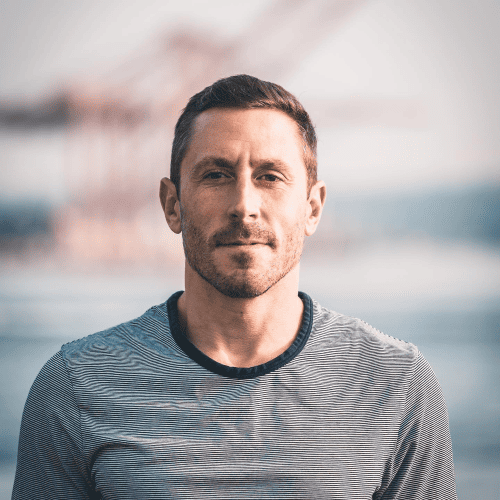
Paul Saladino
Physician known for advocating animal-based nutrition approaches and discussing metabolic health.
Curated from public research summaries by a non-clinician. Not medical advice.
☀️ Morning
Source detail: Varies
Omega-3 intake commonly emphasized; supplement choice often diet-dependent.
About Paul Saladino
Paul Saladino has become a prominent figure in the health and nutrition space by advocating for a diet centered almost exclusively around animal products. He is a trained physician who shifted from psychiatry to focus on metabolic health and nutrition, carving out a niche that challenges conventional dietary wisdom.
His approach has attracted both dedicated followers and vocal critics due to its controversial nature and departure from mainstream nutritional science.
While Saladino's work is widely discussed across podcasts, books, and social media, it also provokes serious debate about the scientific validity and safety of some of his claims. His promotion of animal-based diets, raw milk, and skepticism towards plant foods places him at odds with established dietary guidelines, yet his influence continues to grow, particularly among those interested in metabolic health and alternative nutrition strategies.
Background and Public Profile
Paul Saladino trained as a medical doctor and initially worked as a psychiatrist before redirecting his career toward nutrition and metabolic health. He gained recognition for advocating what is often called the carnivore diet—a regimen that emphasizes eating primarily or exclusively animal products.
His 2020 book, The Carnivore Code, laid out his perspective and helped him reach a wider audience.
Saladino’s public profile is largely built upon podcast appearances, interviews, and his own platforms where he discusses diet, health, and sometimes controversial interpretations of nutritional science. Despite his medical background, many of his claims have been described as lacking solid scientific backing and are considered pseudoscientific by some experts.
Who Their Advice Fits Best
Saladino’s approach appeals most to individuals who have struggled with metabolic health issues or autoimmune conditions and are seeking alternative dietary interventions. People interested in low-carbohydrate or ketogenic diets may find his emphasis on animal-based foods aligns with their health goals.
- Those drawn to ancestral or evolutionary diet theories
- Individuals who have experienced benefits from reducing plant intake
- People interested in exploring elimination diets for chronic symptoms
His advice is generally less suitable for those who rely on well-balanced, plant-inclusive diets or who require nutrient diversity from a wide range of foods.
What Beginners Should Copy First
For newcomers interested in Saladino’s framework, the initial focus often involves reducing processed foods and sugars, while increasing intake of whole animal foods like meat and organ meats. Beginning with simplified meals that rely on high-quality animal proteins is a common starting point.
- Prioritize nutrient-dense animal products such as liver
- Eliminate processed carbohydrates and sugars
- Pay attention to satiety cues and metabolic responses
However, it is important for beginners to approach these changes cautiously and consider individual tolerance and nutritional adequacy.
How Their Ideas Have Evolved
Although Saladino originally championed a strict carnivore diet excluding plants entirely, his stance has softened somewhat over time. He has acknowledged some side effects and limitations of a zero-plant regimen and now incorporates select plant foods in small amounts.
He also continues to advocate for raw milk consumption, despite ongoing concerns about the safety of unpasteurized dairy products. This evolution reflects a responsiveness to personal experience and critique, yet his core emphasis on animal-based nutrition remains firm.
Signature Content and Teaching Style
Saladino’s content is characterized by detailed discussions of metabolic pathways, hormonal health, and nutrient density, often framed in evolutionary terms. He frequently engages in long-form podcast interviews and deep dives into the biochemistry of diet.
His teaching style is pragmatic and scientific in tone but occasionally veers into controversial or speculative assertions. He blends medical knowledge with personal anecdote and experiential evidence to build his case.
The Core Training Philosophy
At the heart of Saladino’s philosophy is the belief that human metabolic health is optimized by returning to a diet rich in animal products, which he argues are superior sources of essential nutrients. He views many plants as containing anti-nutrients or toxins that may negatively impact health.
This philosophy prioritizes nutrient density, metabolic efficiency, and reducing inflammation through dietary choices. It also emphasizes personalized experimentation and listening to one’s body to find the optimal diet.
Their Influence on Fitness Culture
Saladino has carved out a significant space within fitness and health culture, particularly among communities interested in ketogenic, paleo, and carnivore diets. His advocacy has helped popularize animal-based nutrition beyond niche groups, inspiring some athletes and biohackers to experiment with these approaches.
His influence extends into discussions about gut health, autoimmunity, and mental well-being, areas where nutrition intersects with broader health outcomes. However, his views remain controversial and have sparked debate about dietary dogma versus evidence-based practice.
Where People Disagree With Them
Much of the disagreement around Saladino centers on his dismissal of plant foods and promotion of a diet lacking in dietary fiber and plant-derived phytochemicals. Critics argue that his claims are not supported by rigorous clinical trials and that eliminating plants can risk nutritional deficiencies.
There is also concern about his endorsement of raw milk due to the risk of bacterial infection, and skeptics caution against adopting such restrictive diets without broader scientific validation. Many nutrition experts find his statements about plants being "poison" to be an oversimplification that ignores the complexity of food and health.
What They Get Right
Saladino highlights the importance of metabolic health and points to the role of diet in managing chronic diseases, an area gaining increasing attention in medicine. His focus on reducing processed foods and sugars aligns with well-established health advice.
He also underscores the value of nutrient-dense foods, particularly organ meats, which are often overlooked in conventional dietary recommendations. His emphasis on personalized nutrition and metabolic response encourages individuals to take an active role in their health.
Where It Lands
Paul Saladino’s work sits at a contentious intersection of medical training, alternative nutrition, and online health influencer culture. His advocacy for an animal-based diet challenges established nutrition science and provokes strong reactions from both supporters and detractors.
For those exploring dietary strategies for metabolic or autoimmune conditions, his insights may offer a novel perspective, but they should be approached with critical thinking and medical supervision. The evolving nature of his views suggests a willingness to adapt, yet the core of his message remains rooted in a controversial and still-unproven nutritional paradigm.
In the broader context, Saladino’s influence highlights ongoing debates about diet, health, and the search for optimal human nutrition in the 21st century.
This profile is based on public podcast content, books, and interviews available in the public domain.
Supplements in this stack
⚠️ Based on public podcast content, books, and interviews. This information is for educational purposes only and should not be considered medical advice.