
The information on Supplement Engine is for general educational purposes only and is not medical advice. It is not intended to diagnose, treat, cure, or prevent any disease, and should not replace consultation with a qualified healthcare professional. Availability and legal status of specific products vary by country — always check local regulations before purchasing. Supplement Engine is not affiliated with, endorsed by, or representative of the individuals whose public protocols are discussed on this site; all information is drawn from public statements and is provided for informational purposes only.
Some links on this page may be affiliate links. If you choose to make a purchase, we may earn a small commission at no additional cost to you.
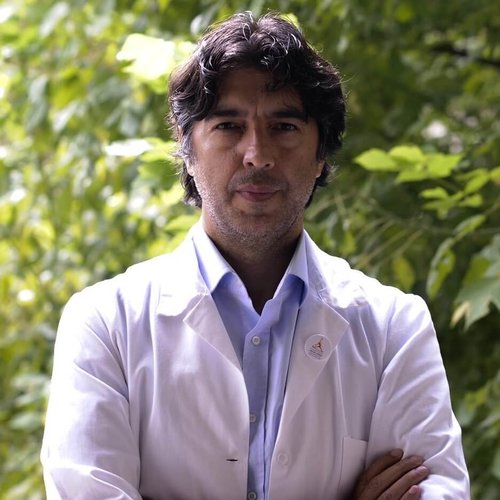
Valter Longo
Longevity researcher studying fasting-mimicking diets and aging biology.
Curated from public research summaries by a non-clinician. Not medical advice.
Longo’s public work centres on fasting-mimicking diets and food patterns. No hand-verified primary clip for a personal supplement protocol is published here; inferred multivitamin stand-ins were removed.
Read the sourcing methodologyNo item-level record meeting this page's citation standard is currently published for Valter Longo. We don't infer a stack from general discussion, sponsorships, or business ties.
About Valter Longo
Valter Longo is a name that appears frequently in conversations about longevity, aging, and the science of fasting. His work bridges the gap between cellular biology and practical dietary interventions, focusing on how fasting and nutrient intake influence aging and disease.
Longo’s research has attracted attention not only in academic circles but also among health-conscious individuals looking for evidence-based strategies to improve lifespan and healthspan.
Unlike many popular figures in health and fitness who rely heavily on anecdotal evidence or trending diets, Longo’s influence is deeply rooted in rigorous scientific study. His approach centers on the biological mechanisms that govern aging, particularly how cells respond to nutrient availability and stress.
This foundation has led to the development of what he terms the “fasting-mimicking diet,” a protocol designed to trigger the benefits of fasting without complete food abstinence.
Longo’s position is unique because it synthesizes complex biogerontological research into practical advice that can be applied beyond the lab. His insights have been distilled into books, research papers, and public talks, making them accessible to a wider audience interested in longevity and disease prevention.
Yet, his work also invites scrutiny and debate, particularly as it challenges conventional approaches to diet and aging.
Background and Public Profile
Valter Longo was born in Italy in 1967 and has established himself as a leading figure in biogerontology—the study of the biological processes of aging. He holds a professorship at the University of Southern California’s Davis School of Gerontology and maintains a joint appointment in the department of Biological Sciences.
Beyond academia, Longo directs the USC Longevity Institute, which focuses on translating aging biology into clinical applications.
His career has been marked by a focus on cellular mechanisms, especially how nutrient-sensing pathways influence the aging process. This scientific focus extends into his public profile, where he is often cited for pioneering research on fasting, caloric restriction, and their effects at the molecular and cellular levels.
Longo’s name has become synonymous with efforts to understand how longevity can be extended through diet and lifestyle, rather than pharmacological interventions alone.
Longo’s public presence includes several books aimed at a general audience, where he explains the science behind aging and proposes practical dietary regimens. These efforts have broadened his reach, attracting readers who want to apply scientific findings to their own health routines.
The Core Training Philosophy
Though primarily known for his work in aging and diet, Longo’s philosophy implicitly supports a holistic approach to health that can complement physical training. His research underscores the importance of metabolic flexibility, cellular repair, and stress resistance—all of which are relevant to fitness and recovery.
At the core, Longo advocates for periods of fasting or fasting-mimicking diets that promote autophagy, a cellular recycling process thought to be critical for tissue maintenance and longevity. This philosophy emphasizes the body's ability to adapt to stress and nutrient scarcity, which in turn can support more robust health outcomes.
He does not prescribe specific workout routines but highlights the interplay between nutrition and cellular health, suggesting that effective training regimes should consider metabolic health alongside muscle and cardiovascular conditioning.
Nutrition, Diet, and Supplement Position
Longo is best known for developing the fasting-mimicking diet (FMD), a low-calorie, low-protein, low-carbohydrate, and high-fat dietary plan designed to simulate the effects of water-only fasting. This diet typically lasts five days and is intended to trigger beneficial stress responses without the difficulties associated with complete fasting.
His nutritional recommendations emphasize:
- Reduced intake of proteins, particularly from animal sources, to lower the activity of growth pathways linked to aging.
- Periodic cycles of fasting or FMD to promote cellular regeneration and reduce inflammation.
- Plant-based foods rich in micronutrients and healthy fats to support overall cellular health.
Longo generally advises caution with supplements, focusing instead on whole-food strategies and metabolic interventions like fasting. He argues that the best “supplement” is the body’s own ability to repair and rejuvenate, activated by strategic dietary patterns rather than continuous nutrient load.
How Their Ideas Have Evolved
Longo’s early work concentrated on understanding how starvation and caloric restriction affected cellular aging in simple organisms like yeast and mice. Over time, his research expanded to mammalian systems and eventually to human clinical trials, bridging the gap between fundamental biology and practical interventions.
His concept of the fasting-mimicking diet is a direct outcome of this evolution, moving from complete fasting—which can be difficult and risky—to a structured dietary plan that induces similar cellular effects. This shift reflects a pragmatic turn, making longevity science more applicable to everyday life.
More recently, Longo has incorporated insights on nutrient-sensing genes and their role in disease, aging, and cancer prevention, integrating genetics into personalized nutrition approaches. This represents a move from broad population advice to more tailored strategies based on individual biology.
Practical Takeaways You Can Apply This Week
Incorporating Longo’s research into your routine need not be complicated. Some practical steps include:
- Trying a brief fasting-mimicking diet cycle under medical supervision, particularly if you are generally healthy.
- Reducing protein intake from animal sources on non-fasting days to moderate growth signaling pathways.
- Emphasizing plant-based meals rich in vegetables, nuts, and healthy fats.
- Considering periods of intermittent fasting or time-restricted eating as a first step before attempting longer fasts.
- Prioritizing metabolic health alongside regular physical activity.
These practices aim to reduce chronic disease risk and promote cellular repair without extreme dietary restrictions.
Common Misreadings of Their Message
One frequent misunderstanding is that Longo advocates for long-term starvation or extreme fasting as a universal solution. In reality, his protocols are cyclical and designed to balance periods of restriction with nourishment.
Another misreading is treating the fasting-mimicking diet as a weight-loss trick rather than a metabolic intervention targeting cellular aging and disease risk. While weight loss can result, Longo’s focus is on longevity and healthspan.
Some also simplify his advice to “eat less protein” without acknowledging the nuanced role of protein source, timing, and individual health status that he emphasizes.
Where People Disagree With Them
Longo’s work, while influential, is not without critics. Some argue that fasting-mimicking diets may not be suitable or safe for everyone, especially those with certain medical conditions or nutrient deficiencies.
Others question how broadly applicable findings from animal models are to humans, cautioning that longevity benefits seen in controlled studies may not translate perfectly to diverse populations.
Additionally, some nutrition experts argue for higher protein intake, particularly for older adults or athletes, which can contrast with Longo’s recommendations to moderate protein consumption.
What Advanced Lifters Can Still Learn
For experienced athletes and advanced lifters, Longo’s insights highlight the importance of metabolic health beyond muscle hypertrophy and performance. His research suggests:
- Integrating periodic fasting or fasting-mimicking cycles may boost recovery and reduce inflammation.
- Nutrient timing and macronutrient quality matter for long-term cellular resilience.
- Balancing anabolic and catabolic signals through diet can support sustained performance and healthy aging.
Advanced lifters can experiment with these principles to enhance longevity without sacrificing gains, provided they approach fasting protocols cautiously and with professional guidance.
Who Their Advice Fits Best
Longo’s recommendations are most suitable for generally healthy adults interested in longevity, metabolic health, and disease prevention. People with chronic illnesses or specific nutritional needs should consult healthcare providers before adopting fasting-mimicking diets.
His work appeals to those willing to embrace scientific evidence over fads and who seek structured, cyclical approaches to diet rather than daily rigid restrictions.
While athletes and active individuals can benefit, the protocols often require adjustment to account for energy demands and recovery needs.
Final Thoughts
Valter Longo’s contributions to aging biology and nutrition represent a thoughtful, evidence-driven approach to extending healthspan through diet. His fasting-mimicking diet offers a practical way to harness the benefits of fasting without extreme deprivation.
While his ideas continue to evolve and invite debate, Longo provides a valuable framework for integrating cellular biology into everyday health strategies. For those willing to approach aging prevention with scientific rigor and individualized care, his work offers meaningful insights grounded in decades of study.
⚠️ Based on public research publications, books, and interviews. This information is for educational purposes only and should not be considered medical advice.