
The information on Supplement Engine is for general educational purposes only and is not medical advice. It is not intended to diagnose, treat, cure, or prevent any disease, and should not replace consultation with a qualified healthcare professional. Availability and legal status of specific products vary by country — always check local regulations before purchasing. Supplement Engine is not affiliated with, endorsed by, or representative of the individuals whose public protocols are discussed on this site; all information is drawn from public statements and is provided for informational purposes only.
Some links on this page may be affiliate links. If you choose to make a purchase, we may earn a small commission at no additional cost to you.
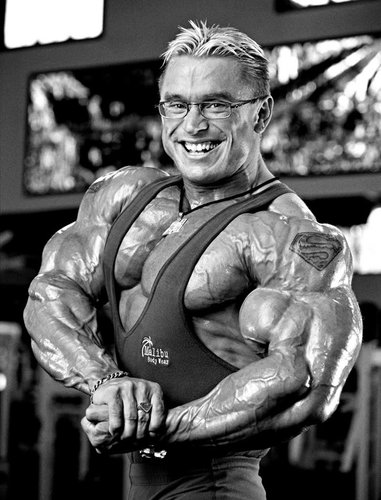
Lee Priest
Professional bodybuilder known for candid discussions around bodybuilding, PEDs, and contest prep.
Curated from public research summaries by a non-clinician. Not medical advice.
💪 Pre-Workout
📋 Daily Nutrition
Source detail: Protein-target driven
Protein support for physique goals and training demands.
📋 Anytime
📋 During Workout
About Lee Priest
Lee Priest is a name well-known in professional bodybuilding circles, notable for his long and successful career as well as his outspoken nature. Born in Australia in the early 1970s, Priest earned his reputation not only through his competitive achievements but also through a candid approach to discussing the realities of bodybuilding.
His openness about performance-enhancing drugs (PEDs), contest preparation, and the behind-the-scenes challenges of the sport has made him a distinctive voice in an industry often shrouded in gloss and secrecy.
Though retired from professional competition, Priest remains active in the fitness community. He engages with fans and aspiring athletes through interviews, podcasts, and social media, where he shares insights grounded in decades of personal experience.
His straightforward style often contrasts with the more polished presentations common among fitness influencers, which has earned him both respect and criticism.
What They Get Right -------------------
Lee Priest has been praised for his transparency, particularly regarding the use of PEDs in bodybuilding. Unlike many who remain silent or evasive on the topic, Priest’s discussions highlight the physical and psychological realities of these substances.
This openness helps demystify aspects of competitive bodybuilding that are often misunderstood or glamorized.
His detailed accounts of contest preparation provide valuable perspective on the discipline required to compete at an elite level. He emphasizes the importance of consistency, mental toughness, and realistic goal-setting, rather than quick fixes or extreme measures.
Priest also acknowledges the toll that competitive bodybuilding can take on the body and mind, offering a more balanced view that respects the sport’s demands.
- Honest portrayal of PED use and its implications
- Emphasis on mental resilience and discipline
- Realistic insights into contest prep and its challenges
Signature Content and Teaching Style ------------------------------------
Priest’s content tends to be conversational and candid, often delivered in a tone that’s both blunt and humorous. He avoids overly technical jargon, making his insights accessible to a broad audience while maintaining credibility.
This approach encourages engagement, as listeners and viewers feel they are getting an unfiltered look into professional bodybuilding.
His teaching style is anecdotal, relying heavily on personal stories and experiences. This lends authenticity to his advice and helps convey lessons in a memorable way.
Priest is not one to sugarcoat the difficulties of bodybuilding; instead, he presents them as part of the journey, fostering a no-nonsense attitude toward training and lifestyle.
- Conversational and candid tone
- Uses personal anecdotes to illustrate points
- Avoids technical jargon without oversimplifying
Nutrition, Diet, and Supplement Position ----------------------------------------
Priest advocates for nutrition strategies that support rigorous training and recovery, though he is careful to highlight individual variability. He stresses the significance of protein intake and nutrient timing but tends to caution against overcomplicating diet plans.
According to him, consistency and adherence matter more than chasing the latest diet trends.
While open about his own use of supplements, Priest stresses that supplementation is secondary to a solid foundational diet. He views supplements as tools rather than necessities, recommending them when they support training goals but warning against reliance on them at the expense of whole foods.
- Emphasizes protein and nutrient timing
- Advocates consistency over fad diets
- Views supplements as supportive, not essential
How Their Ideas Have Evolved ---------------------------
Over the years, Priest’s views have shifted toward a more balanced perspective on bodybuilding and health. Early in his career, like many competitors, he focused heavily on maximizing muscle size and conditioning with less emphasis on long-term health.
With experience, he has spoken more openly about the risks and trade-offs involved in competitive bodybuilding.
He now stresses the importance of listening to one’s body and maintaining health outside of competition. This evolution reflects a wider trend in the industry where athletes increasingly prioritize sustainable practices and mental well-being alongside physical performance.
- Greater focus on health and sustainability
- Acknowledges long-term risks of extreme practices
- Advocates listening to the body as a guide
Who Their Advice Fits Best --------------------------
Priest’s insights are particularly valuable for serious bodybuilding enthusiasts and competitive athletes who are familiar with the demands of the sport. His frank discussions about PEDs and contest prep provide a rare insider’s perspective that newcomers may find eye-opening but potentially overwhelming.
At the same time, his advice about discipline, nutrition fundamentals, and mental toughness can benefit intermediate lifters who want to deepen their understanding of effective training habits. However, those seeking general fitness or weight loss guidance might find his content less relevant, as it is firmly rooted in high-level bodybuilding contexts.
- Best suited for competitive bodybuilders and advanced trainees
- Useful for intermediates focused on muscle growth and discipline
- Less applicable to casual fitness or weight management goals
Their Influence on Fitness Culture ---------------------------------
Lee Priest has contributed to shifting conversations around the realities of bodybuilding. By openly addressing topics like PED use and the psychological demands of the sport, he challenges the often sanitized versions of bodybuilding promoted in mainstream media.
His presence encourages a more transparent dialogue about what it takes to compete at the highest level. This influence has helped foster a culture that is more accepting of honest discussion about both the benefits and potential harms of bodybuilding.
It extends beyond bodybuilding and resonates with broader fitness communities interested in authenticity.
- Promotes transparency around PEDs and mental challenges
- Challenges sanitized portrayals of bodybuilding
- Encourages honest, realistic dialogue in fitness culture
Practical Takeaways You Can Apply This Week -------------------------------------------
Even for those not pursuing competitive bodybuilding, Priest’s emphasis on discipline and consistency is applicable across many fitness goals. Establishing a reliable training routine and sticking to a balanced diet can create meaningful progress over time.
His advice to focus on fundamentals rather than chasing trends can help lifters avoid burnout and frustration. Additionally, being mindful of how the body responds to training and nutrition can improve both performance and well-being.
- Prioritize consistency in training and nutrition
- Focus on foundational habits over fads or gimmicks
- Pay attention to your body’s feedback and adjust accordingly
What Advanced Lifters Can Still Learn -------------------------------------
Experienced lifters can benefit from Priest’s deep knowledge of contest preparation and muscle development strategies. His insights into balancing intensity with recovery are useful for managing plateaus and optimizing progress.
Moreover, advanced trainees can learn from his candid discussions about the mental aspects of high-level training, including motivation, stress management, and the psychological impact of PED use. Recognizing these factors can lead to healthier, more sustainable approaches to bodybuilding.
- Strategies for balancing training intensity and recovery
- Mental resilience and stress management insights
- Informed perspective on PEDs and their effects
What To Take From This ----------------------
Lee Priest’s contribution to the fitness world goes beyond his accomplishments on stage. His willingness to speak openly about the complexities of bodybuilding offers a valuable educational resource for those seeking an unvarnished look at the sport.
While not everyone will align with all of his views, his emphasis on honesty, discipline, and respect for the physical and mental demands of bodybuilding resonates widely. His legacy may well lie in encouraging greater transparency and realism within fitness culture—a lesson that benefits athletes at all levels.
Supplements in this stack
- Collagen PeptidesHydrolyzed collagen supporting skin, joint, and connective tissue health.
- Creatine MonohydrateOne of the most researched supplements for strength and cognitive benefits.
- CaffeineWell-studied stimulant for alertness, focus, and exercise performance.
- Electrolyte ComplexSodium, potassium, magnesium blend for hydration and performance.
⚠️ Based on public interviews and podcast appearances. This information is for educational purposes only and should not be considered medical advice.