
The information on Supplement Engine is for general educational purposes only and is not medical advice. It is not intended to diagnose, treat, cure, or prevent any disease, and should not replace consultation with a qualified healthcare professional. Availability and legal status of specific products vary by country — always check local regulations before purchasing. Supplement Engine is not affiliated with, endorsed by, or representative of the individuals whose public protocols are discussed on this site; all information is drawn from public statements and is provided for informational purposes only.
Some links on this page may be affiliate links. If you choose to make a purchase, we may earn a small commission at no additional cost to you.
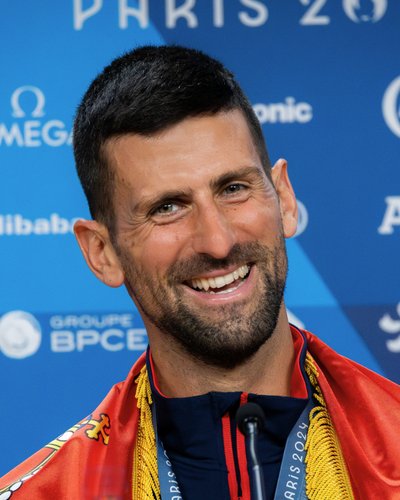
Novak Djokovic
Tennis champion known for disciplined nutrition, recovery strategies, and longevity emphasis.
Curated from public research summaries by a non-clinician. Not medical advice.
☀️ Morning
Source detail: Varies
Gut-support supplements like probiotics are commonly used depending on tolerance and routine.
🌙 Sleep
📋 During Workout
Source detail: 1 serving
Electrolytes/hydration support for endurance and match-day performance.
About Novak Djokovic
Novak Djokovic is widely recognized not only for his extraordinary achievements on the tennis court but also for his disciplined approach to health and fitness. Over the course of a career that has spanned nearly two decades, he has become synonymous with longevity and resilience in a sport that places immense physical and mental demands on its athletes.
His focus extends beyond conventional training, incorporating nutrition, recovery, and holistic wellness strategies that have helped him maintain peak performance well into his 30s.
What sets Djokovic apart is his commitment to evolving his health regimen in pursuit of sustained success. Rather than relying solely on raw talent or traditional training methods, he has embraced a lifestyle centered around recovery and nutritional precision.
Much of what drives his longevity is tied to a willingness to experiment and adapt based on how his body responds to various treatments and diets. This profile explores the practical aspects of Djokovic’s approach to health and fitness, drawing from his public interviews and writings.
Who Their Advice Fits Best
Djokovic’s health and fitness philosophy is especially relevant for athletes and active individuals who demand sustained performance over many years. Those engaged in endurance or high-intensity sports can benefit from his emphasis on recovery and injury prevention.
His methods resonate with people who are willing to invest time and attention in fine-tuning their lifestyle beyond simple workouts or calorie counting.
At the same time, Djokovic’s approach may appeal to those who have experienced setbacks due to injuries or chronic fatigue. His disciplined nutrition and recovery protocols offer a roadmap for managing physical stress while maintaining competitive intensity.
However, casual exercisers or beginners might find some of his practices too specialized or demanding in terms of consistency and discipline.
Djokovic’s strategy is not a quick-fix blueprint. Instead, it suits individuals motivated by long-term health and peak functioning, particularly those in physically demanding professions or sports.
Nutrition, Diet, and Supplement Position
One of the most publicized aspects of Djokovic’s regimen is his strict diet, which he credits for a major turnaround in his health and performance. He follows a gluten-free, largely plant-based diet that emphasizes whole foods and carefully monitored hydration.
His nutrition plan minimizes processed foods and sugar, which he believes contribute to inflammation and fatigue.
In addition to food choices, Djokovic incorporates targeted supplementation depending on training phases and recovery needs. While specific supplements vary by season, he focuses on supporting gut health, reducing inflammation, and maintaining immune function.
Hydration strategies, including electrolyte balance, play a key role in the analysis based on publicly available information about his approach.
Some key elements of Djokovic’s nutritional approach include:
- Gluten-free, anti-inflammatory diet to improve digestion and energy
- Emphasis on fresh fruits, vegetables, nuts, and seeds
- Avoidance of processed sugars and artificial additives
- Hydration with balanced electrolytes for endurance and recovery
Djokovic has spoken openly about his initial struggles with digestion and energy before adopting this regimen, noting that dietary changes significantly improved his ability to recover and sustain performance throughout tournaments.
Practical Takeaways You Can Apply This Week
While Djokovic’s full routine may be complex, a few practical principles can be adapted by anyone interested in improving health and fitness:
- Prioritize whole, minimally processed foods to reduce inflammation.
- Experiment with reducing gluten or other common irritants if you experience digestive discomfort.
- Stay consistent with hydration, aiming for balanced electrolytes especially if active.
- Incorporate short recovery sessions, such as stretching or mobility work, after workouts.
- Consider tracking how different foods and recovery methods impact your energy and performance over time.
These steps do not require advanced equipment or elaborate supplements but focus on tuning in to your body’s needs—a core theme throughout Djokovic’s health philosophy.
The Core Training Philosophy
Djokovic’s approach to training integrates technical skill development, strength and conditioning, and a meticulous recovery process. His workouts balance intensity with smart periodization to avoid burnout. Flexibility and mobility exercises are foundational, aiming to maintain joint health and reduce injury risk.
Rather than maximizing volume or intensity at all costs, Djokovic emphasizes listening to his body and adjusting workloads accordingly. He incorporates yoga and meditation to enhance both physical flexibility and mental resilience.
Recovery modalities, such as cold therapy, physiotherapy, and adequate sleep, are treated as equally important components of training.
At the core, his philosophy is about sustainable performance—building a body that can endure the rigors of professional tennis for years without sacrifice to health.
How Their Ideas Have Evolved
Earlier in his career, Djokovic relied more on traditional training and diet approaches common among elite tennis players. However, after experiencing recurring health challenges and fluctuations in form, he began to adopt a more holistic view, including significant dietary changes and alternative recovery methods.
His understanding of nutrition deepened, moving toward a gluten-free and mainly plant-based diet after consulting specialists. Recovery also became more prioritized, with increased attention to sleep quality, stress management, and injury prevention.
Over time, Djokovic has integrated lessons from various disciplines — from Eastern medicine to modern sports science — reflecting a broadening approach to wellness.
This evolution shows a willingness to question norms and seek out personalized strategies rather than blindly following conventional wisdom.
What Advanced Lifters Can Still Learn
Even experienced athletes and lifters can find value in Djokovic’s meticulous attention to recovery and nutrition. His example reinforces that physical preparation is not only about loading more weight or training harder but about how well you manage the cumulative stress on your body.
Advanced lifters might consider exploring:
- The role of diet in managing inflammation and optimizing energy availability
- Integrating complementary practices such as yoga or mobility work into strength routines
- Prioritizing quality sleep and active recovery protocols to enhance gains and reduce injury
- Flexibility in programming to respond dynamically to physical and mental feedback
Djokovic’s case highlights that longevity in sport depends as much on smart lifestyle management as on training volume or intensity.
Closing Perspective
Novak Djokovic’s approach to health and fitness offers a compelling model for athletes and active individuals seeking longevity and resilience. His career demonstrates the power of disciplined nutrition, recovery, and adaptive training philosophies grounded in personal experience and ongoing learning.
While not every element of his regimen is easily replicated, the guiding principles of listening to one’s body and prioritizing sustainable performance can inspire anyone committed to long-term health.
In the end, Djokovic exemplifies how an elite athlete’s success is inseparable from a holistic approach to health — one that blends science, mindfulness, and a willingness to evolve.
Supplements in this stack
- Electrolyte ComplexSodium, potassium, magnesium blend for hydration and performance.
- Omega-3 Fish OilEssential fatty acids supporting heart, brain, and joint health.
- Magnesium GlycinateHighly bioavailable form of magnesium supporting relaxation and sleep.
- Probiotics (Multi-Strain)Live beneficial bacteria supporting digestive and immune health.
⚠️ Based on public interviews and books. This information is for educational purposes only and should not be considered medical advice.